
Texas Travel Tips offer diverse transportation options including public transit networks like DART and Capmetro, scenic interstates (I-35, I-20, I-10), Amtrak rail services, major international airports (IAH, DFW), car rentals, ride-sharing, and emerging technologies. These efficient options enable exploration of Texas' rich culture and natural landscapes.
Texas, a vast and diverse state, presents travelers with an array of transportation options, from bustling metropolitan areas to serene rural landscapes. Seamless travel across these varied terrains is paramount for both locals and visitors, offering access to cultural hubs, natural wonders, and historic sites. However, navigating Texas’s transportation landscape can be challenging, with options ranging from crowded highways to diverse public transit systems. This article provides an authoritative guide to Texas travel tips, exploring the most efficient and enjoyable ways to traverse the state, ensuring a memorable journey for all.
- Exploring Texas Transportation: An Overview for Travelers
- Unlocking Seamless Travel: Best Practices for Texas Routes
- Texas Travel Tips: Navigating Options for Every Budget and Need
Exploring Texas Transportation: An Overview for Travelers
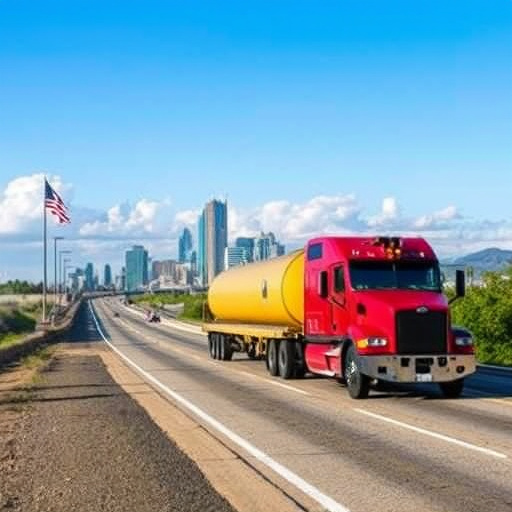
Texas, a vast and diverse state, offers travelers an array of transportation options ensuring seamless travel across its many landscapes. From bustling metropolitan areas to tranquil rural regions, understanding local transit systems is key to unlocking the best Texas travel tips. In major cities like Austin and Dallas, extensive public transport networks featuring buses, light rail, and subways provide efficient mobility. For instance, Dallas Area Rapid Transit (DART) connects suburban areas with the city center, while Austin’s Capital Metropolitan Transportation Authority (Capmetro) operates an extensive bus system and a modern light rail network. These options not only reduce travel stress but also offer scenic routes through vibrant neighborhoods.
For longer-distance travel within Texas, interstates like I-35, I-20, and I-10 form the state’s backbone, facilitating efficient road trips. Texas Travel Tips recommend planning routes strategically to take advantage of these major thoroughfares. Additionally, Amtrak provides rail services connecting key cities, offering a comfortable alternative for those who prefer not to drive. The Texas Eagle, in particular, traverses the state from Chicago to Los Angeles, making stopovers at major hubs like San Antonio and Austin.
Air travel is another crucial element of Texas’ transportation infrastructure. Major international airports such as George Bush Intercontinental Airport (IAH) in Houston and Dallas/Fort Worth International Airport (DFW) handle millions of passengers annually, offering extensive domestic and international connections. Texas Travel Tips suggest checking flight schedules and considering airport shuttles or ride-sharing services for convenient travel to and from these hubs. Efficient transportation options across Texas empower travelers to explore the state’s rich cultural tapestry, from its vibrant cities to its serene natural landscapes.
Unlocking Seamless Travel: Best Practices for Texas Routes

Texas, with its vast landscape and diverse communities, offers a myriad of transportation options, each playing a crucial role in unlocking seamless travel across the state. Understanding these choices is vital for both residents and visitors seeking efficient and enjoyable journeys. The state’s robust infrastructure includes an extensive network of highways, an efficient public transit system, and innovative shared-mobility services.
For long-distance travel, Texas’ highway system stands as a cornerstone. Interstate 35, stretching from the Mexican border to Oklahoma, is a primary corridor connecting major cities like Austin, Dallas, and San Antonio. This superhighway facilitates seamless movement of goods and people, with well-maintained lanes and rest areas that cater to travelers’ needs. Additionally, Texas boasts numerous scenic byways, such as Highway 12, which winds through the Hill Country, offering breathtaking views and a more leisurely pace for those looking to immerse themselves in the state’s natural beauty.
Texas Travel Tips recommend leveraging public transit where available, particularly in urban areas like Houston and Dallas-Fort Worth. These metro regions boast efficient rail and bus systems, providing cost-effective alternatives to driving. For example, Dallas Area Rapid Transit (DART) offers an extensive network of light rail and buses, enabling residents and visitors to navigate the city with ease. Similarly, Houston’s Metropolitan Transit Authority (METRO) provides a comprehensive transit system that connects neighborhoods, universities, and employment hubs. Utilizing these services not only reduces traffic congestion but also offers an opportunity to experience local culture and life.
Texas Travel Tips: Navigating Options for Every Budget and Need

Texas, with its vast expanse and diverse communities, offers a multitude of transportation options catering to every budget and travel need. For visitors and residents alike, understanding these choices is essential for seamless travel experiences. Whether exploring the vibrant cities or immersing oneself in the state’s enchanting landscapes, the right mode of transport can significantly enhance the journey.
One of the cornerstones of Texas travel tips is the efficient public transportation system. Major cities like Austin, Houston, and Dallas boast comprehensive networks of buses, light rail, and subways, making urban navigation accessible and affordable. For instance, Dallas Area Rapid Transit (DART) connects various parts of the metroplex, allowing travelers to easily commute between downtown, the airport, and surrounding suburbs. Similarly, Houston’s Metropolitan Transit Authority (METRO) provides a reliable service with routes extending to nearby communities, offering visitors and residents alike convenient options for getting around without a car.
For those seeking more personalized or flexible travel experiences, Texas offers a range of private transportation alternatives. Renting a car is a popular choice, especially for exploring the state’s rural areas and iconic highways like Route 66 or the scenic coastal drives. Additionally, ride-sharing services and taxis provide on-demand mobility options, ideal for short trips or navigating unfamiliar destinations. Texas travel tips encourage visitors to consider the environmental impact and cost savings of using carpooling apps, which can also offer unique insights into the local culture through conversations with fellow passengers.
Beyond traditional modes, emerging transportation technologies are revolutionizing travel in Texas. High-speed rail projects like the Texas Central Railway promise to connect major cities with efficient, eco-friendly travel options, potentially reducing congestion and offering a unique perspective on the state’s landscape. Furthermore, shared mobility options such as electric scooters and bikes are gaining popularity in urban areas, providing accessible and affordable ways to explore city centers and nearby attractions for short distances. By embracing these diverse transportation choices, visitors and residents alike can navigate Texas with ease, enjoying the state’s rich cultural tapestry and natural beauty at their own pace.
By exploring Texas Transportation options thoroughly, travelers can unlock seamless journeys across the state. Key takeaways include understanding best practices for Texas routes, navigating diverse travel budgets, and addressing specific needs. Texas Travel Tips emphasize the importance of advance planning, utilizing multi-modal transportation, and leveraging local resources. Readers now possess the knowledge to make informed decisions, ensuring trips are both enjoyable and efficient. This authoritative article empowers individuals to conquer Texas’s vast landscape with confidence.

