
Texas Travel Tips promote ecologically conscious travel through diverse sustainable transportation options like high-speed rail, EV infrastructure, cycling, carpooling, and eco-accommodations that prioritize energy efficiency, waste reduction, and recycling. Packing light and using refillable containers minimizes plastic waste. Choosing locally owned accommodations and tour operators supports ecosystems and communities. Certifications like GSTC, LEED, and Green Key guide responsible choices, contributing to Texas' $40 billion outdoor recreation economy. These tips ensure a memorable trip while preserving the state's natural heritage.
In today’s world, sustainable travel practices have become a crucial aspect of responsible tourism, especially for frequent fliers and adventurers like those exploring Texas. The impact of traditional travel on our environment is undeniable, from carbon emissions to habitat disruption. This article delves into practical, eco-friendly strategies that Texas travelers can adopt to minimize their ecological footprint while enjoying the state’s vibrant landscapes and cultural offerings. By embracing these tips, we can navigate Texas’s beautiful destinations responsibly, ensuring a positive impact for both the places we visit and future generations.
- Understanding Your Carbon Footprint While Traveling
- Sustainable Transportation Options in Texas
- Eco-Conscious Accommodation Choices for Travelers
- Reducing Waste: Packing Light and Smart
- Support Local: Exploring Texas' Eco-Tourism Opportunities
- Navigating Green Travel Initiatives and Certifications
Understanding Your Carbon Footprint While Traveling
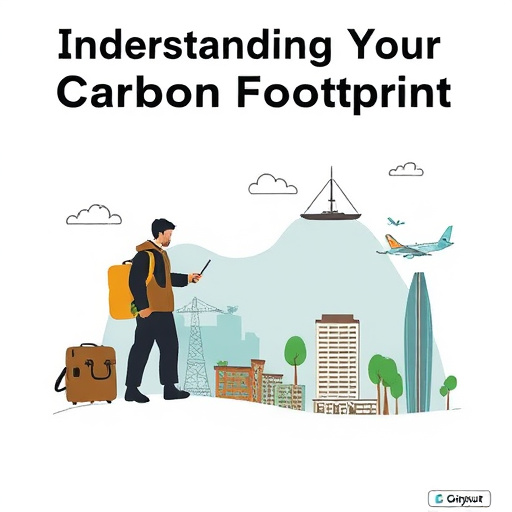
Traveling is a significant source of carbon emissions, but understanding and minimizing your carbon footprint can be a game-changer for those committed to sustainable travel. In Texas, with its diverse landscapes and bustling cities, responsible tourism is not just an eco-conscious choice but also a way to preserve the state’s rich natural heritage. A key step begins with recognizing that every mode of transportation—from flights to car rentals—has varying environmental impacts. For instance, a study shows that air travel contributes about 2% of global greenhouse gas emissions, while ground transportation accounts for roughly 14%.
To effectively reduce your carbon footprint while traveling, start by considering the distance and mode of travel. Opting for trains over short-haul flights can drastically cut down emissions; according to the International Energy Agency, rail travel produces up to 7 times fewer emissions per passenger kilometer than aviation. In Texas, exploring scenic train routes like the Texas Eagle or the Sunset Limited offers a captivating way to cover long distances while minimizing your environmental impact. Additionally, carpooling or utilizing ride-sharing services can significantly reduce carbon emissions compared to solo vehicle usage.
Texas Travel Tips emphasize the importance of local experiences over mass tourism. By choosing eco-friendly accommodations that prioritize energy efficiency and waste reduction, you contribute to a lower carbon footprint. Furthermore, supporting local businesses and artisans encourages sustainable practices within the community. When planning your trips, research destinations known for their commitment to environmental conservation, enabling you to make informed decisions that positively impact both your travel experience and the planet’s future.
Sustainable Transportation Options in Texas

Texas, with its vast landscapes and bustling cities, presents a unique opportunity for eco-conscious travelers looking to minimize their environmental impact while exploring. Sustainable transportation options in Texas travel are abundant and diverse, catering to various preferences and budgets. One of the most popular choices is high-speed rail, with Amtrak offering services connecting major cities like Austin, Dallas, and Houston. These trains not only reduce carbon emissions compared to flights or personal vehicles but also provide a scenic way to experience the state’s beauty. For instance, the Texas Eagle route offers breathtaking views of rural landscapes and prairies as it traverses the state.
Beyond rail travel, electric vehicle (EV) infrastructure in Texas has seen significant growth, making it easier for tourists to adopt eco-friendly transportation methods. Major cities like Austin and Dallas have extensive networks of charging stations, encouraging visitors to consider renting or driving electric cars during their stay. This shift towards sustainable mobility not only reduces air pollution but also lowers the overall carbon footprint of Texas Travel Tips. For those seeking a more adventurous approach, cycling is gaining traction as an alternative mode of transport, especially in urban areas with dedicated bike lanes and trails.
Additionally, carpooling and ride-sharing services have gained popularity in Texas, providing a cost-effective and environmentally friendly way to navigate. Apps like Uber and Lyft offer options for pooling rides, reducing the number of vehicles on the road and lowering emissions. For longer distances, several organizations facilitate carpool matching, ensuring that travelers can minimize their impact while sharing the road responsibly. These sustainable transportation options in Texas not only contribute to a greener environment but also enhance the overall travel experience by offering unique perspectives and connections with the state’s vibrant culture and natural wonders.
Eco-Conscious Accommodation Choices for Travelers

When it comes to eco-friendly travel, accommodation choices play a significant role in minimizing your environmental impact. Travelers in Texas have a unique opportunity to opt for sustainable options that not only reduce their carbon footprint but also support locally owned businesses committed to eco-conscious practices. One of the most effective strategies is to choose accommodations that prioritize energy efficiency and water conservation. For instance, many eco-lodges in Texas utilize renewable energy sources like solar power, thereby reducing reliance on fossil fuels. They often employ advanced water filtration systems and implement measures to minimize water usage, such as low-flow fixtures and greywater recycling.
Beyond energy and water conservation, selecting accommodations that embrace waste reduction and sustainable procurement practices is paramount. Some hotels in Texas have adopted policies that discourage single-use items by providing guests with reusable amenities instead. They also source food locally and sustainably, supporting nearby farmers’ markets and organic farms, which reduces transportation emissions and promotes a healthier ecosystem. By embracing these practices, travelers can significantly contribute to the preservation of Texas’s diverse landscapes and ecosystems.
Additionally, considering accommodations that offer recycling and composting facilities is an integral part of responsible travel. Some eco-conscious hotels in Texas have implemented comprehensive waste management systems, ensuring that recyclable materials are properly processed while organic waste is composted. They also educate guests on these practices, fostering a sense of shared responsibility for environmental conservation. By making informed choices, travelers can be confident they’re supporting establishments committed to sustainable tourism, leaving a positive impact on the beautiful natural environments that define Texas.
Reducing Waste: Packing Light and Smart

Traveling responsibly means embracing practices that minimize your environmental footprint, especially when it comes to waste reduction. Texas Travel Tips suggest a strategic approach to packing light and smart—a powerful way to cut down on waste generation during your journeys. By adopting these methods, you can significantly reduce the amount of disposable items you use, from single-use plastics to excess packaging.
The key lies in meticulous planning and considering what’s truly necessary. Pack only essentials, choosing versatile garments that can be layered for varying weather conditions. For example, a travel-friendly outfit might include a lightweight, breathable shirt, a compact fleece jacket, and a pair of durable pants, allowing you to adapt to different environments without packing bulkier alternatives. This minimalism extends to toiletries; opt for refillable containers and solid shampoo and conditioner bars, reducing the mountains of plastic packaging often found in travel-sized products.
Data from the EPA reveals that Americans generate over 4.9 million tons of waste during travel annually, with a significant portion attributed to disposable items. By embracing packing light and smart, you contribute to a substantial reduction in this figure. Moreover, it encourages travelers to become more mindful consumers, considering alternatives to single-use products and supporting businesses that promote eco-friendly practices. This simple yet powerful change can have a profound impact on the environment, making your travels more sustainable and enjoyable.
Support Local: Exploring Texas' Eco-Tourism Opportunities

Texas offers a wealth of eco-tourism opportunities for travelers looking to minimize their environmental impact while exploring. One of the most effective ways to support local ecosystems and communities is by choosing locally owned accommodations and tour operators. According to a recent study, ecotourism contributes over $12 billion annually to Texas’s economy, directly supporting small businesses and conservation efforts across the state. Opting for locally-run guesthouses, eco-lodges, and guided tours ensures that your travel dollars are invested in sustainable practices and community development.
For instance, consider visiting the Gulf Coast region where coastal communities heavily rely on tourism. Staying at a family-owned beachside inn or participating in a kayak tour led by a local guide directly benefits these communities. Similarly, exploring Texas’ diverse ecosystems through guided hikes or wildlife watching tours with regional experts allows you to learn about and appreciate the state’s unique biodiversity while minimizing your carbon footprint.
Texas travel tips encourage visitors to seek out authentic experiences that prioritize environmental stewardship. By supporting local businesses and engaging in sustainable activities, travelers can contribute positively to Texas’ eco-tourism landscape. Whether exploring the urban centers of Austin or Dallas or immersing yourself in the natural wonders of Big Bend National Park, making conscious choices supports both conservation efforts and fosters a deeper connection with the state’s remarkable natural resources.
Navigating Green Travel Initiatives and Certifications

Navigating Green Travel Initiatives and Certifications is a key step for eco-conscious travelers aiming to minimize their impact while exploring Texas or beyond. With an increasing number of global standards and labels, understanding these certifications can empower visitors to make informed choices that support sustainable tourism. For instance, look out for the Global Sustainable Tourism Council (GSTC) criteria, which sets benchmarks for responsible practices across environmental, social, and economic sustainability. This initiative offers a comprehensive framework, ensuring destinations meet specific standards in areas like waste management, water conservation, cultural preservation, and community engagement.
Texas Travel Tips highlight successful examples within the state. The Texas Department of Parks and Wildlife has implemented several green initiatives, promoting responsible recreation and conservation. Many state parks now offer recycling programs, encourage the use of reusable water bottles, and provide educational resources on sustainable practices for visitors. These efforts contribute to Texas’s broader goal of reducing its environmental footprint while attracting eco-conscious travelers. According to recent data, outdoor recreation in Texas generates over $40 billion annually, with a significant portion coming from visitors seeking sustainable tourism experiences.
When planning your trip, actively seek accommodations and activities that display recognized sustainability certifications such as LEED (Leadership in Energy and Environmental Design) for hotels or Green Key Eco-Rating for lodging. These certifications indicate a commitment to energy efficiency, waste reduction, and environmental stewardship. Additionally, consider tour operators that prioritize eco-friendly practices and have received industry accreditations like the International Ecotourism Society (TIES) certification. By embracing these initiatives, travelers can ensure their actions contribute positively to the destinations they visit, fostering a more sustainable future for all.
Adopting eco-friendly travel practices is not just a trend but a responsible step towards preserving our planet. This article has guided readers through Texas travel tips, showcasing how every aspect of our journey can be more sustainable. By understanding your carbon footprint, choosing green transportation options, and opting for eco-conscious accommodations, travelers can significantly minimize their impact. Packing light and supporting local businesses further reduces waste and promotes responsible tourism. Moreover, exploring eco-tourism opportunities in Texas showcases the state’s commitment to environmental preservation. Navigating green travel certifications ensures that choices align with sustainability goals. With these insights, travelers are empowered to make informed decisions, making their adventures not just memorable but also environmentally conscious.

