
Texas boasts diverse national parks with unique landscapes and wildlife. Key tips: Plan for spring/fall weather; adhere to trails for safety and conservation; research park activities (hiking, camping, stargazing); book accommodations in advance; pack lightweight meals and survival gear; follow regulations. Parks offer experiences like Chisos Mountain hikes, Rio Grande rafting, Gulf Coast snorkeling, Palo Duro Canyon history, and Davis Mountains stargazing. Wildlife viewing tips: be patient, visit dawn/dusk, use binoculars, follow rules, join guided tours. Practice sustainable travel: stick to trails, stay eco-conscious, "Leave No Trace," engage in responsible birdwatching.
For nature enthusiasts, outdoor adventures and national parks are more than just destinations—they’re lifelines offering solace, inspiration, and a profound connection to our planet. Texas, known for its diverse landscapes, boasts a wealth of these natural treasures, from the sprawling Hill Country to the coastal marshes. However, with ever-growing popularity comes mounting pressure on these ecosystems. This article provides an authoritative guide, delving into Texas Travel Tips for exploring national parks responsibly while preserving their pristine beauty for future generations. We’ll navigate the best trails, share hidden gems, and offer insights for a meaningful and sustainable experience.
- Discovering Texas' Hidden Gems: National Park Treasures
- Planning Your Outdoor Escape: Essential Tips for Nature Enthusiasts
- Top 5 Adventures: Exploring Texas' Diverse Landscapes
- Wildlife Encounters: What to Expect in Texas Parks
- Sustainable Travel: Embracing Texas' Natural Wonders Responsibly
Discovering Texas' Hidden Gems: National Park Treasures

Texas, a state renowned for its diverse landscapes and rich ecological heritage, holds within its boundaries an array of national park treasures waiting to be explored by nature enthusiasts. These hidden gems offer a unique blend of breathtaking scenery, abundant wildlife, and recreational opportunities, making them must-visit destinations for any outdoor aficionado. From the majestic mountains to the pristine waterways, Texas’ national parks provide a sanctuary for those seeking adventure and connection with nature.
One such gem is Big Bend National Park, spanning over 801,000 acres along the Mexico border. This vast wilderness is a haven for hikers and campers, boasting trails that wind through desert landscapes, alongside rivers, and up into rugged mountains. The park’s diverse ecosystems support an impressive array of flora and fauna, including rare species like the Texian big-eared bat. For those seeking a Texas travel tip, timing is key; spring and fall offer milder temperatures for exploring these diverse ecosystems.
Another notable national park in Texas is Guadalupe Mountains National Park, where the state’s highest peak stands sentinel over a vast desert landscape. This park offers challenging hiking trails that reward adventurers with panoramic views of the surrounding wilderness. The iconic Guadalupe Peak provides an allure for those eager to conquer its summit, while the park’s diverse wildlife includes a variety of bird species and rare plants. Planning ahead and adhering to designated trails are essential tips for visitors, ensuring both safety and conservation of this delicate environment.
Planning Your Outdoor Escape: Essential Tips for Nature Enthusiasts

For nature enthusiasts dreaming of an outdoor escape, planning is key to a memorable adventure. Texas offers a diverse range of national parks brimming with breathtaking landscapes, from lush forests to majestic mountains. Before setting off, research your chosen destination thoroughly. Consider factors like peak season, weather patterns, and accessibility, ensuring a safe and enjoyable trip. For instance, the iconic Big Bend National Park in west Texas showcases desert landscapes and wildlife unique to the region, best explored during spring or fall when temperatures are milder.
Crafting an itinerary is essential. Identify specific activities that align with your interests—hiking, camping, wildlife watching, or stargazing. Texas Travel Tips recommend checking park websites for detailed maps and trail guides, allowing you to choose routes suitable for your fitness level. Remember, national parks often offer a variety of accommodation options, from rustic camping under the stars to cozy lodge stays. Booking in advance is vital during peak seasons, securing your preferred choice and ensuring a smooth experience.
Meal planning is another practical consideration. Packing lightweight, nutritious meals suitable for outdoor activities is crucial. Texas’s diverse climate requires adaptability; pack layers for varying temperatures. Don’t forget essential survival gear like a first-aid kit, water purification tablets, and reliable navigation tools. Additionally, familiarize yourself with park regulations to respect natural habitats and ensure the safety of both yourself and the environment. With meticulous planning, your outdoor adventure awaits, promising unforgettable memories etched into Texas’s stunning national parks.
Top 5 Adventures: Exploring Texas' Diverse Landscapes
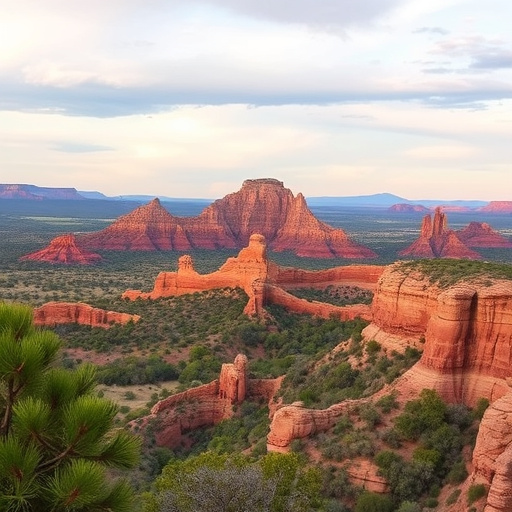
Texas offers a diverse array of landscapes for nature enthusiasts to explore, from rugged mountains to serene coastal plains. For those seeking adventure, here are five top experiences that showcase the state’s natural beauty: Hiking through Big Bend National Park’s majestic Chisos Mountains provides awe-inspiring views and challenging trails, attracting seasoned hikers from across the globe. The park’s unique ecology and vast wilderness make it a must-visit for outdoor enthusiasts.
For water adventurers, exploring the Rio Grande River offers a thrilling journey through South Texas’ diverse terrain. Rafting trips along this historic waterway allow visitors to witness the region’s raw beauty up close, with opportunities for bird watching, wildlife spotting, and immersive cultural experiences. Texas travel tips suggest planning these excursions during spring or fall for more comfortable weather conditions.
The state’s southern tip boasts a vibrant coastal ecosystem, perfect for nature lovers interested in marine life. Snorkeling and diving around the Gulf Coast offer encounters with colorful coral reefs, sea turtles, and even whale sharks. The diverse marine habitats make this a premier destination for eco-tourists looking to contribute to conservation efforts while enjoying breathtaking underwater scenery.
For a unique blend of history and natural adventure, exploring Texas’ historic state parks is unparalleled. The Palo Duro Canyon State Park, carved by the Plains River, features dramatic landscapes and remnants of ancient cultures. Hiking trails wind through the canyon, offering panoramic views and insights into the region’s rich history.
Finally, no list would be complete without mentioning the magic of starry nights in Texas’ dark sky parks. The Davis Mountains State Park is renowned for its exceptional darkness, providing stargazers with a breathtaking cosmic show. This experience combines the serenity of nature with the awe-inspiring beauty of the universe, leaving a lasting impression on visitors seeking an escape from everyday life.
Wildlife Encounters: What to Expect in Texas Parks

Texas parks offer a diverse array of wildlife encounters for nature enthusiasts. The state’s vast landscapes, from dense forests to sprawling prairies, are home to an impressive variety of flora and fauna. One of the key attractions for visitors is the chance to observe animals in their natural habitats, making Texas travel tips a valuable resource for those seeking authentic outdoor experiences. National parks like Big Bend and Guadalupe Mountains provide prime opportunities to spot iconic species such as elk, bison, and jaguars, while lesser-known gems like the Davis Mountain State Park offer unexpected encounters with birds of prey and rare plant species.
Wildlife viewing in Texas parks requires a thoughtful approach. First-time visitors should be aware that patience is key; some animals are more elusive than others. Early morning or dusk tend to be prime times for activity, as many creatures are most active during these transitional hours. Expert advice suggests packing binoculars and a good field guide to aid in identification. Additionally, adhering to park regulations regarding noise levels and maintaining a safe distance from wildlife is crucial for both visitor safety and animal preservation. Texas parks offer diverse landscapes that facilitate intimate wildlife encounters, making them ideal destinations for nature enthusiasts seeking memorable experiences.
To enhance these encounters, consider joining guided tours or participating in ranger-led programs available at many state and national parks. These activities provide valuable insights into the local ecosystem and increase your chances of seeing hard-to-spot species. Furthermore, supporting conservation efforts through park donations or volunteering can contribute to the preservation of these natural habitats and ensure that future generations will have access to these incredible wildlife experiences. By following Texas travel tips and embracing a responsible approach to wildlife viewing, visitors can create lasting memories while contributing positively to the region’s ecological health.
Sustainable Travel: Embracing Texas' Natural Wonders Responsibly
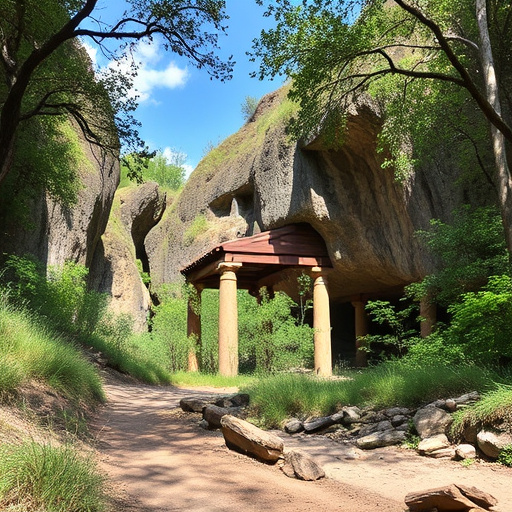
Texas is a haven for nature enthusiasts, boasting an array of breathtaking national parks and outdoor adventures. However, as the state’s popularity grows among visitors seeking its natural wonders, sustainable travel becomes paramount to preserving these ecosystems. Embracing Texas’ environmental legacy responsibly involves understanding and respecting the delicate balance between exploration and conservation. One key aspect is adhering to designated trails in parks like Big Bend National Park, where countless sensitive plant species and animal habitats are protected.
Sustainable practices extend beyond trail etiquette. Choosing eco-conscious accommodations and supporting local businesses that prioritize environmental stewardship can significantly impact a visitor’s carbon footprint. For instance, many Texas national park lodges have implemented energy-efficient measures and recycling programs. Additionally, opting for public transportation or carpooling to reach these remote destinations reduces traffic congestion and minimizes pollution.
Texas Travel Tips encourage visitors to immerse themselves in the great outdoors while leaving no trace. This means packing out what you pack in—properly disposing of waste, avoiding disturbances to wildlife habitats, and respecting cultural sites. Engaging in responsible activities like birdwatching or stargazing allows visitors to appreciate Texas’ biodiversity without causing harm. By following these guidelines, nature enthusiasts can contribute to the preservation of these natural wonders for future generations to explore and enjoy.
By exploring Texas’ hidden gems, nature enthusiasts can discover an array of outdoor adventures within its diverse landscapes. Planning tips outlined in this article empower visitors to make the most of their trips, ensuring memorable experiences. The top 5 adventures highlighted showcase the state’s natural wonders, from majestic mountains to tranquil waterways. Understanding wildlife encounters enhances the connection with Texas’ parks, fostering responsible sustainable travel practices. Armed with these Texas travel tips, enthusiasts can contribute to preserving these national park treasures while enjoying unforgettable journeys through the state’s breathtaking landscapes.

