
Texas travel experiences peak during spring to fall with mild weather ideal for outdoor exploration. Key Texas travel tips include planning visits during these seasons, booking accommodations in advance for festivals like Fiesta San Antonio and SXSW, and enjoying diverse cultural events across the state's three main zones: Gulf Coast, Central Texas, and West Texas. Flexibility is key for optimal travel experiences throughout the year.
Texas, a vibrant state known for its diverse landscapes and rich cultural offerings, presents travelers with an array of attractions year-round. However, navigating the best times to visit Texas can be a challenge, given its vast geography and varied climates. This article offers authoritative insights into Texas travel tips, guiding you through the optimal seasons and festivals that promise unforgettable experiences. Whether exploring vibrant urban centers or immersing yourself in rustic natural wonders, understanding the local weather patterns will enhance your journey. Discover the perfect moments to embark on a memorable Texas adventure, reaping the rewards of enjoyable weather and immersive cultural events.
- Best Seasons for Texas Travel: Spring to Fall
- Festival Calendar: Mark Your Dates in Texas
- Weather Patterns: Understanding Texas' Climate
- Local Tips: Maximize Your Texan Adventure
Best Seasons for Texas Travel: Spring to Fall
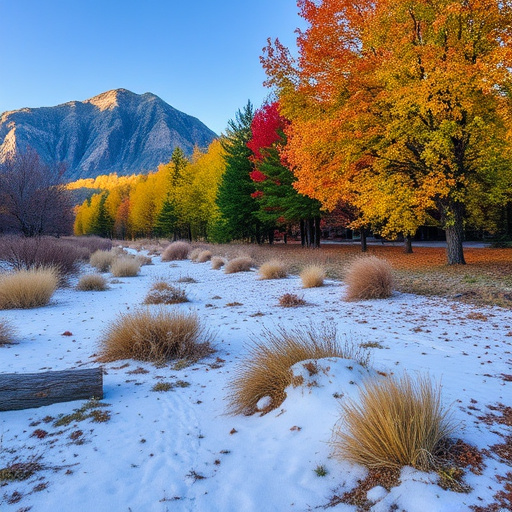
Texas travel experiences are best enjoyed during the spring to fall seasons, when weather is mild and vibrant. The state’s diverse regions offer unique attractions year-round, but understanding the optimal times for Texas travel can enhance your visit significantly. Spring, from March to May, brings gentle temperatures, with average highs in the 70s to 80s Fahrenheit, making it ideal for exploring outdoor sights. This period also hosts several festivals, such as San Antonio’s Fiesta San Antonio, a month-long celebration of music, art, and culture.
Summer, while hot, is a peak season for Texas travel due to its numerous festivities. From June to August, temperatures often exceed 90°F, but many Texans take advantage of this time for events like Austin’s South by Southwest (SXSW), a renowned festival showcasing music, film, and interactive media. Fall, from September to November, offers a respite from the heat with cooler temperatures, typically ranging from the 60s to 80s Fahrenheit. This season is perfect for visiting the Texas Hill Country, where colorful foliage provides a stunning backdrop for outdoor activities and local wine tastings.
Texas travel tips suggest planning your visit during these optimal seasons to fully experience the state’s vibrant culture and pleasant weather. Keep in mind that crowds are larger during peak festivals, so book accommodations in advance. Conversely, spring and fall offer more tranquil experiences with fewer tourists, allowing for a deeper connection with Texas’ natural beauty and rich cultural offerings.
Festival Calendar: Mark Your Dates in Texas

Texas offers a vibrant festival calendar year-round, but planning your visit around these events can significantly enhance your travel experience. The state’s diverse climate means different regions have peak seasons for festivals, from spring to fall. For instance, Houston’s renowned Livestock Show and Rodeo occurs in February and March, attracting visitors from across the globe. In contrast, the Texas State Fair in Dallas-Fort Worth is a must-attend in late September and early October, showcasing local culture, food, and entertainment.
These events not only provide an opportunity to immerse yourself in Texas’s rich heritage and vibrant communities but also serve as excellent Texas travel tips for navigating diverse landscapes. Whether you’re interested in music festivals like Austin City Limits or the more unique Bluebonnet Trails Festival celebrating Texas’ iconic wildflowers, there’s something for every taste. Keep in mind that peak festival seasons can lead to higher accommodation costs and larger crowds; booking early and considering off-peak travel dates can enhance your overall experience.
Additionally, Texas’s festival scene is known for its diversity, from culinary celebrations like the San Antonio Food & Wine Festival to cultural events such as the Fiesta San Antonio, a 10-day long spectacle with parades, performances, and historical reenactments. These festivals not only highlight local talent but also provide a unique lens into the state’s history and culture. Utilizing online resources and local tourism boards can help you stay informed about upcoming events and plan your Texas trip accordingly for a memorable experience.
Weather Patterns: Understanding Texas' Climate
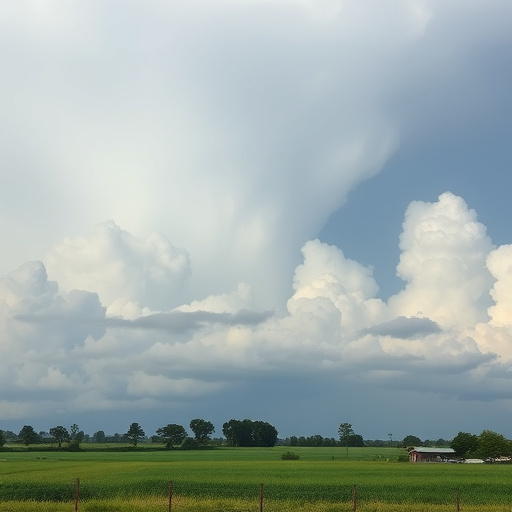
Texas boasts a diverse climate, making it a fascinating destination for travelers seeking varied experiences. Understanding Texas’ weather patterns is key to planning an enjoyable trip. The state can be broadly divided into three main climatic zones: the coastal regions along the Gulf of Mexico, the rolling hills and forests of central Texas, and the arid desert landscapes in the western parts.
The Gulf Coast offers a mild winter climate with temperatures rarely dropping below freezing, making it an ideal escape during colder months. Spring brings warm, humid conditions, perfect for exploring vibrant festivals like Houston’s famous Livestock Show and Rodeo. However, summer is characterized by intense heat and high humidity, with average temperatures exceeding 90°F (32°C), a time when many locals take advantage of Texas Travel Tips for staying cool. Fall offers a welcome respite with comfortable temperatures and fewer crowds.
Central Texas, including the state capital Austin, experiences hot summers and mild winters. This region is known for its beautiful hill country landscapes and diverse ecosystems. Spring and fall are particularly pleasant, offering ideal conditions for outdoor activities and enjoying the area’s famous live music scene. Winter can bring occasional cold snaps but generally remains mild, allowing visitors to participate in various cultural events without the scorching heat.
In contrast, west Texas presents a starkly different picture, with arid desert climates prevalent in areas like El Paso. Summers are sweltering, with temperatures regularly surpassing 100°F (38°C), while winters are mild but can bring sudden storms. Visiting during spring or early fall offers the best balance of comfortable temperatures and fewer extreme weather events. These climate variations highlight the importance of flexible planning when traveling across Texas, ensuring visitors can make the most of their trips regardless of the time of year.
Local Tips: Maximize Your Texan Adventure
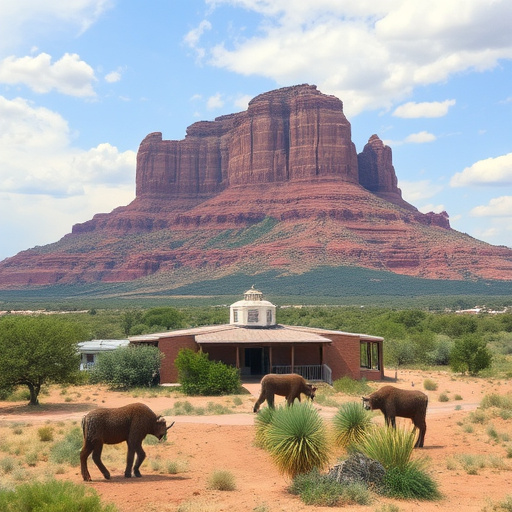
Texas offers a diverse climate, making it challenging to pinpoint one ideal time for travel. However, understanding local Texas travel tips can significantly enhance your experience. For those seeking pleasant weather, spring (March to May) and fall (September to November) are prime seasons in Texas. During these periods, the state enjoys mild temperatures, with average highs ranging from 70°F to 85°F (21°C to 29°C), making outdoor exploration a delight.
Summer months (June to August) bring scorching heat, with Houston averaging around 90°F (32°C) and western regions reaching even higher temperatures. Yet, this season also offers unique attractions like the State Fair of Texas in Dallas, one of the nation’s largest fairs, attracting over a million visitors annually. Winter (December to February) is relatively mild across most of Texas, offering a pleasant break from the usual heat. Temperatures typically range between 40°F to 60°F (4°C to 15°C), making it ideal for indoor festivals and cultural events.
Texas is renowned for its vibrant festivals year-round. Local tips include planning your trip around these celebrations for a truly immersive experience. The Texas Renaissance Festival near Houston, for instance, offers a medieval-themed extravaganza with re-enactments, music, and cuisine. In the fall, Austin’s famous South by Southwest (SXSW) festival showcases film, music, and interactive media from around the world. For art enthusiasts, the Dallas Art Fair in March is a premier event, drawing renowned artists and collectors. Incorporating these festivals into your Texas travel itinerary ensures you’re immersed in the state’s rich cultural offerings.
Texas travel tips offer a rich tapestry of experiences, depending on when you visit. Spring to fall bring pleasant weather, ideal for exploring diverse festivals across the state. Understanding Texas’ climate is key; while summer can be hot, spring and autumn offer mild temperatures perfect for outdoor adventures. The article’s festival calendar highlights essential events like Austin City Limits Music Festival and San Antonio’s Fiesta, ensuring memorable trips. Following these Texas travel tips, you can maximize your time by planning around optimal weather conditions and immersing yourself in the local culture through festivals, creating an indelible Texan experience.

